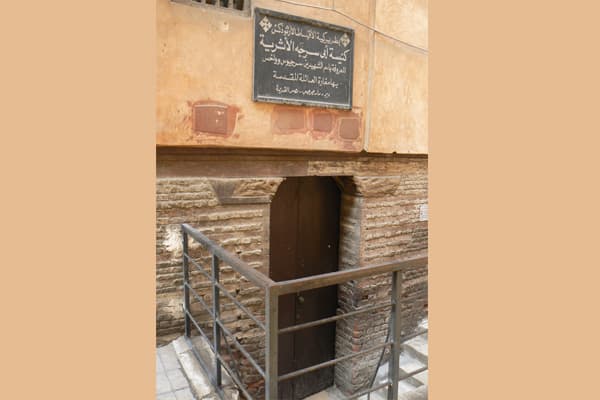
كنيسة أبي سرجة
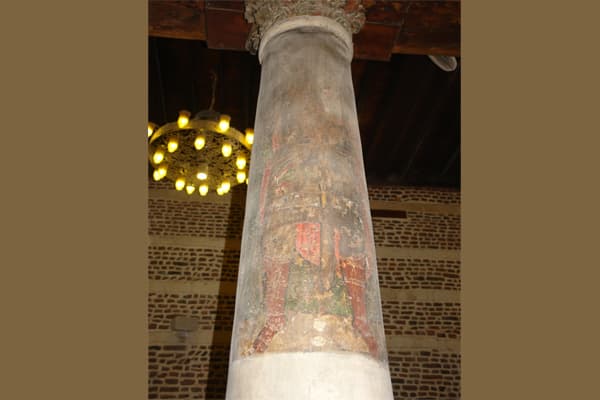


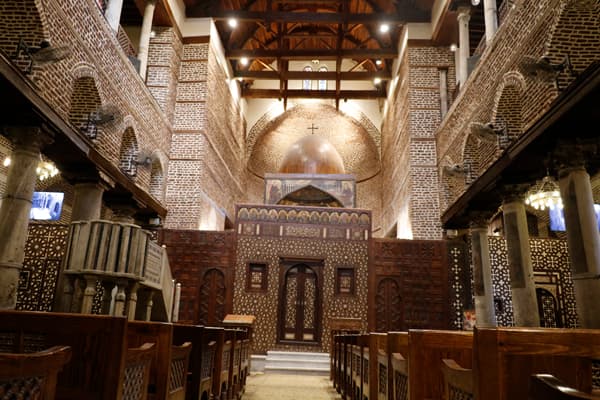
The Church of Saint Sergius and Bacchus, also known as Abu Serga, is built upon an ancient Roman fort in Old Cairo. The history of the church is still being debated. Some scholars believe that it dates to the late fourth to early fifth centuries AD, while others believe that it should approximately be dated to 17th century AD. This church has acquired a special religious status among Coptic churches because it is associated with the Holy Family's journey through Egypt. It is named after renowned early fourth century AD saints, Sergius and Bacchus, both of whom were martyred at al-Resafa in Syria for their Christian beliefs. Like various other early Christian churches, the Church of Abu Serga and its underground cave are designed in the basilica layout, and thus together consist of three parts: the narthex, nave, and sanctuary (the cave being below the sanctuary). The church is characterized by its unique architectural and artistic elements that reflect the spirit of Coptic church architecture in Egypt. These include the pulpit, baptismal font, inlaid ivory and wood templon, and unique religious decoration of the saints and apostles decorating the various domes, walls and columns.
بنيت كنيسة القديسين سرجيوس وباخوس المعروفة باسم كنيسة ابي سرجة فوق أطلال قلعة رومانية قديمة. ويعد تاريخ بناء الكنيسة محل شك، حيث يعتقد بعض العلماء بأنها ترجع لأواخر القرن الرابع وأوائل القرن الخامس بعد الميلاد، بينما يرى البعض الآخر أنها ترجع للقرن السابع عشر الميلادي. ولتلك الكنيسة مكانة خاصة بين بقية الكنائس القبطية، وذلك لأنها مرتبطة برحلة العائلة المقدسة في مصر. ويرجع اسم الكنيسة لكل من القديسين سرجيوس وباخوس الذان استشهدا بمنطقة الرصافة بسوريا حسب المعتقد المسيحي. ومثل بقية الكنائس المبكرة، صممت الكنيسة ومغارتها الواقعة تحت الأرض على النمط البازيلكي حيث تتكون من مساحة عرضية وأروقة طولية وحنية شرقية (أسفلها المغارة) وتتميز الكنيسة بخصائصها المعمارية والفنية الفريدة والتي تعكس الروح العمارة القبطية في مصر، فنرى الإنبل ومغطس التعميد والحجاب الخشبي المطعم بالعاج بالإضافة إلى المناظر الدينية التي تمثل القديسين والرسل على مختلف القباب والأعمدة.